
Smart Home Devices: Unlocking the Future of Automated Living
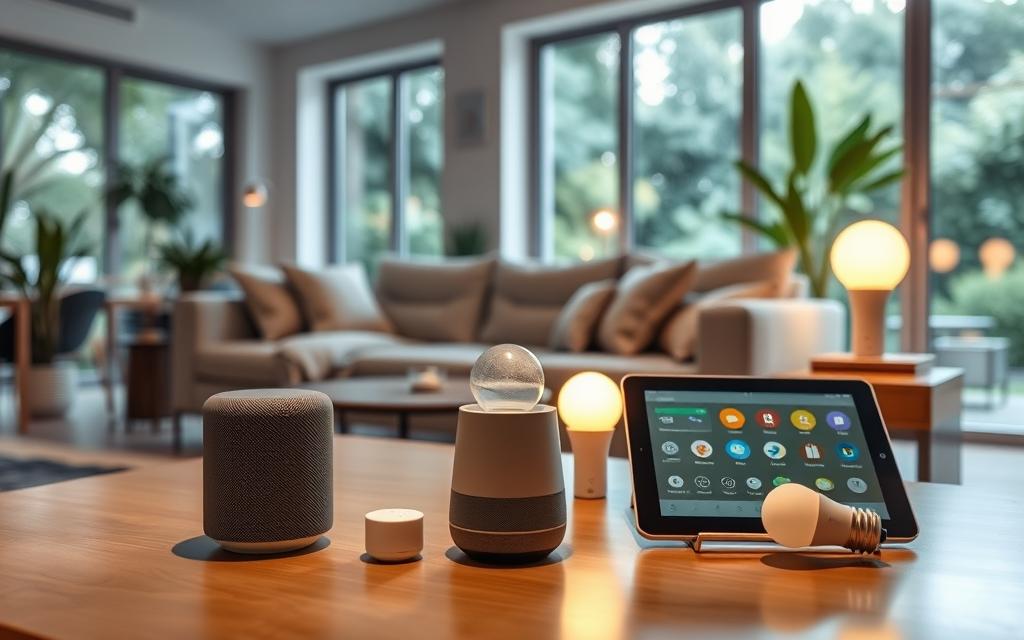
Smart home devices are revolutionizing the way we live, making our homes more comfortable, secure, and energy-efficient. From voice-controlled assistants to intelligent thermostats, these innovative solutions are redefining the future of home automation.
Key Takeaways
- Understanding the basics of smart home devices and their role in automated living.
- Exploring the benefits of integrating smart home technology into daily life.
- Discovering the latest trends and innovations in smart home devices.
- Learning how to create a seamless smart home experience.
- Understanding the potential impact of smart home devices on energy efficiency and home security.
The Evolution of Smart Home Technology
The journey of smart home technology from science fiction to reality is a fascinating story of innovation and technological advancement. The concept of automated living has captivated human imagination for decades, and recent advancements in IoT devices have brought us closer to achieving this vision.
From Science Fiction to Reality
The idea of controlling home appliances remotely is no longer a futuristic concept but a tangible reality. This transformation began with early home automation concepts.
Early Home Automation Concepts
In the early 20th century, the first home automation concepts emerged, primarily focusing on remote control of devices. These early systems laid the groundwork for modern home automation systems.
The First Commercial Smart Home Products
The introduction of the first commercial smart home products marked a significant milestone. These products, though rudimentary by today's standards, paved the way for the sophisticated automated living technology we enjoy today.
Key Milestones in Smart Home Development
- The development of wireless communication protocols like Zigbee and Z-Wave.
- Advancements in voice recognition technology.
- Integration of AI and machine learning in home automation.
These milestones have significantly contributed to the evolution of smart home technology, making it more accessible and user-friendly.
The IoT Revolution and Home Automation
The IoT revolution has been instrumental in transforming home automation. By connecting various devices and enabling them to communicate, IoT has created a more integrated and automated living experience.
As we continue to embrace automated living technology, the future of smart homes looks promising, with potential advancements in AI, 5G, and energy efficiency.
Understanding Smart Home Devices and the Rise of Automated Living
As we embrace the future of automated living, smart home devices are playing an increasingly pivotal role in reshaping our daily routines. The integration of technology into our living spaces has given rise to sophisticated smart home ecosystems that are transforming the way we interact with our homes.
Defining Smart Home Ecosystems
A smart home ecosystem refers to the network of devices, sensors, and systems that work together to create a harmonious and automated living environment. These ecosystems are designed to make our lives easier, more convenient, and enjoyable. By incorporating connected home appliances and smart devices, homeowners can experience a new level of control and flexibility in managing their homes.
How Automation Changes Daily Living
Automation is at the heart of the smart home revolution, offering numerous benefits that enhance our daily lives. Two significant advantages of automation are its ability to provide convenience and time-saving benefits, as well as lifestyle enhancements through automation.
Convenience and Time-Saving Benefits
With smart home automation, tasks such as adjusting lighting, temperature, and security can be controlled remotely or automated based on our preferences. This not only saves time but also reduces the effort required to manage our homes. For instance, smart lighting systems can be programmed to turn on and off at specific times, ensuring that our homes are always secure and energy-efficient.
Lifestyle Enhancements Through Automation
Beyond convenience, automation also enhances our lifestyle by creating a more comfortable and enjoyable living environment. For example, automated home entertainment systems can be programmed to create the perfect ambiance for movie nights or parties. Moreover, smart home solutions can learn our preferences over time, adapting to our needs and habits to provide a more personalized experience.
The Connected Home Concept
The concept of a connected home is central to the smart home ecosystem. It involves the integration of various devices and systems to create a seamless and interconnected living experience. As home automation trends continue to evolve, we can expect to see even more innovative solutions that further enhance the connected home experience.
Core Components of a Smart Home System
The foundation of any smart home lies in its core components, which include central hubs, connectivity protocols, and user interfaces. These elements work together to create a cohesive and functional smart home ecosystem.
Central Hubs and Controllers
A central hub or controller is the brain of a smart home system, connecting various devices and allowing them to communicate with each other. Popular smart home hubs act as a single interface to control multiple devices.
Popular Smart Home Hubs on the Market
- Amazon Echo with Alexa
- Google Home with Google Assistant
- Apple HomePod with Siri
- SmartThings Hub by Samsung
Connectivity Protocols
Smart home devices use various connectivity protocols to communicate. The most common include Wi-Fi, Bluetooth, Zigbee, and Z-Wave. Each has its advantages and disadvantages.
User Interfaces and Control Methods
User interfaces are crucial for interacting with smart home devices. Common control methods include voice commands, mobile apps, and remote access.
Mobile Apps and Remote Access
Mobile apps provide a convenient way to control smart home devices remotely. Many smart home systems offer apps that allow users to monitor and control their devices from anywhere.
Smart Security and Surveillance Solutions
As homes become increasingly connected, smart security and surveillance solutions are revolutionizing the way we protect our living spaces. The integration of advanced technologies into home security systems has transformed the way we monitor and secure our homes.
Smart Doorbells and Cameras
Smart doorbells and cameras are at the forefront of home surveillance. These devices provide real-time video feeds, motion detection, and alerts, enhancing home security. Leading brands such as Ring, Nest, and Arlo offer high-quality products that integrate seamlessly with other smart home devices.
Leading Products from Ring, Nest, and Arlo
Ring's video doorbells offer advanced features like night vision and customizable motion zones. Nest's cameras provide high-definition video and intelligent alerts, while Arlo's systems are known for their wire-free design and robust security features. These products have set a new standard in home surveillance.

smart home security cameras
Intelligent Locks and Access Control
Intelligent locks and access control systems are redefining home security by providing secure, keyless entry solutions. These systems can be controlled remotely and offer advanced features like biometric authentication.
Biometric and Code-Based Entry Systems
Biometric locks use fingerprint or facial recognition to grant access, while code-based systems require a PIN or password. These technologies offer enhanced security and convenience, eliminating the need for physical keys.
Automated Security Systems and Monitoring
Automated security systems integrate various security devices into a single, cohesive network. These systems can be monitored professionally or self-monitored, offering flexibility based on homeowner preferences.
Professional vs. Self-Monitoring Options
Professional monitoring services provide 24/7 surveillance by security experts, while self-monitoring relies on homeowners to receive and respond to alerts. Both options have their benefits, with professional monitoring offering peace of mind and self-monitoring providing cost savings.
By incorporating these smart security and surveillance solutions, homeowners can significantly enhance their home's safety and security, enjoying the benefits of automated living and advanced home automation systems.
Intelligent Climate Control and Energy Management
With the advent of smart thermostats and energy monitoring systems, homeowners can now enjoy enhanced comfort and reduced energy bills. Intelligent climate control and energy management systems are designed to optimize heating, ventilation, and air conditioning (HVAC) operations, ensuring that homes remain comfortable while minimizing energy waste.
Smart Thermostats and HVAC Control
Smart thermostats have revolutionized the way we control our home's temperature. These devices can learn your schedule and preferences to adjust the temperature accordingly, ensuring that your home is always at the right temperature when you need it to be.
Learning Algorithms and Adaptive Temperature Control
The learning algorithms used in smart thermostats enable them to adapt to your daily routines and adjust the temperature settings automatically. This not only enhances comfort but also contributes to significant energy savings.
Energy Monitoring Systems
Energy monitoring systems provide real-time data on your energy consumption, helping you identify areas where you can cut back on waste. By understanding your energy usage patterns, you can make informed decisions to reduce your energy bills.
Automated Energy Efficiency Solutions
Automated energy efficiency solutions, such as smart lighting and HVAC optimization, work together to minimize energy consumption. These systems can be controlled remotely and adjusted based on your preferences and schedules.
ROI and Cost Savings Analysis
Investing in smart thermostats and energy monitoring systems can yield significant returns. By reducing energy waste and optimizing energy usage, homeowners can expect to see a decrease in their energy bills, providing a return on investment over time.
Key Benefits:
- Enhanced comfort through personalized temperature control
- Significant energy savings through optimized HVAC operations
- Real-time energy monitoring to identify waste and opportunities for savings
- Remote control and scheduling for added convenience
Smart Lighting and Electrical Systems
Smart lighting and electrical systems are at the forefront of home automation, enabling homeowners to create personalized ambiance and optimize energy usage. These systems integrate various technologies to provide seamless control over lighting, enhancing both the functionality and comfort of living spaces.
Smart Bulbs and Lighting Control
Smart bulbs are a fundamental component of smart lighting systems, offering advanced features such as color changing, dimming, and scheduling. Leading brands like Philips Hue and LIFX have set industry standards with their innovative products.
Philips Hue, LIFX, and Other Leading Systems
Philips Hue and LIFX are renowned for their high-quality smart bulbs that can be controlled via smartphone apps or voice assistants. These systems offer a wide range of colors and brightness levels, allowing users to customize their lighting to suit different moods and activities.
Automated Switches and Outlets
Automated switches and outlets provide an alternative to replacing traditional bulbs with smart ones. These devices can be integrated into existing lighting setups, allowing for smart control without the need for new bulbs.
Lighting Scenes and Scheduling
One of the key benefits of smart lighting is the ability to create customized lighting scenes and schedules. This feature enables homeowners to automate their lighting based on their daily routines, enhancing both convenience and energy efficiency.
Mood Enhancement and Circadian Rhythm Support
Smart lighting can also contribute to mood enhancement and support for the body's natural circadian rhythm. By adjusting color temperatures and brightness levels throughout the day, smart lighting systems can help regulate the body's internal clock and improve overall well-being.
Kitchen and Appliance Automation
The modern kitchen is undergoing a significant transformation with the advent of smart appliances and automation technologies. This revolution is changing how we interact with our kitchens, making cooking more efficient, and enhancing the overall culinary experience.
Smart Refrigerators and Cooking Appliances
Smart refrigerators are now equipped with advanced features such as inventory management and recipe suggestions. These appliances can keep track of the contents, suggest recipes based on what's available, and even allow users to order groceries online.
Inventory Management and Recipe Suggestions
With smart refrigerators, users can:
- Monitor the contents of their fridge remotely
- Receive notifications when items are near expiration
- Get recipe suggestions based on the ingredients available
Smart cooking appliances, such as ovens and slow cookers, can be controlled remotely, ensuring that meals are cooked to perfection without constant supervision.
Automated Small Appliances
Automation has extended to small appliances as well, including coffee makers, slow cookers, and more. These devices can be programmed to operate at specific times, enhancing convenience.
Coffee Makers, Slow Cookers, and More
Automated small appliances offer:
- Programmable operation for coffee makers and slow cookers
- Remote start capabilities for added convenience
- Customizable settings to suit individual preferences
Kitchen Assistants and Recipe Integration
Kitchen assistants, often integrated with voice assistants, provide recipe guidance, step-by-step cooking instructions, and even video tutorials. This integration makes cooking more accessible and enjoyable.
By embracing kitchen and appliance automation, homeowners can significantly enhance their cooking experience, making meal preparation more efficient and enjoyable.
Entertainment and Media Automation
Entertainment and media automation are transforming living rooms into high-tech havens, where smart devices seamlessly integrate to enhance our viewing experiences. With the ability to control various aspects of home entertainment, users can enjoy a more streamlined and personalized experience.
Smart TVs and Audio Systems
At the heart of entertainment automation are smart TVs, which offer advanced features such as voice control, gesture control, and integration with other smart devices. These TVs can be connected to soundbars or home theaters, creating an immersive audio-visual experience. Brands like Samsung, LG, and Sony are leading the way in smart TV technology.

smart home entertainment systems
Voice-Controlled Media Centers
Voice-controlled media centers have revolutionized how we interact with our entertainment systems. Devices like Apple TV, Google Chromecast, and Amazon Fire TV allow users to access a wide range of content using voice commands. This technology also enables content discovery and personalization, making it easier to find new shows and movies tailored to individual preferences.
Content Discovery and Personalization
With voice-controlled media centers, users can receive recommendations based on their viewing history. This feature enhances the viewing experience by suggesting content that aligns with their interests.
Multi-Room Entertainment Solutions
Multi-room entertainment solutions enable users to enjoy their favorite content throughout their homes. Systems like Sonos and Bose offer whole-home audio capabilities, allowing for synchronized music playback across different rooms. These systems can be controlled via smartphone apps or voice assistants, providing a seamless entertainment experience.
Sonos, Bose, and Other Whole-Home Audio Systems
Brands like Sonos and Bose are pioneers in whole-home audio systems. Their products offer high-quality sound and advanced features such as multi-room audio grouping and voice control. These systems integrate well with other smart home devices, further enhancing the automated living experience.
Voice Assistants and AI in Smart Homes
Artificial intelligence and voice assistants are transforming smart homes into intuitive and responsive environments. This transformation is largely driven by advancements in voice assistant technology and AI capabilities, which are enhancing the smart home experience.
Amazon Alexa, Google Assistant, and Apple Siri
The market for voice assistants is dominated by three major players: Amazon Alexa, Google Assistant, and Apple Siri. Each of these platforms offers unique features and capabilities that integrate seamlessly with various smart home devices.
Comparative Capabilities and Ecosystem Integration are crucial factors when choosing a voice assistant. For instance, Amazon Alexa is known for its extensive compatibility with a wide range of devices, while Google Assistant excels in understanding natural language and context. Apple Siri, on the other hand, offers tight integration with other Apple devices and services.
Comparative Capabilities and Ecosystem Integration
When evaluating voice assistants, it's essential to consider their ability to integrate with existing smart home ecosystems. This includes compatibility with devices such as lights, thermostats, and security cameras. A voice assistant that can seamlessly control and interact with these devices enhances the overall smart home experience.
- Amazon Alexa: Extensive device compatibility, robust skills library
- Google Assistant: Advanced natural language processing, Google ecosystem integration
- Apple Siri: Seamless integration with Apple devices, secure and private
AI Learning and Predictive Automation
AI learning is a critical component of smart home technology, enabling devices to learn from user behavior and adapt accordingly. Predictive automation allows smart homes to anticipate and respond to user needs proactively.
Natural Language Processing Advancements
Advances in natural language processing (NLP) have significantly improved the capabilities of voice assistants. NLP enables voice assistants to understand complex commands and context, making interactions more natural and intuitive.
Multilingual Support and Contextual Understanding
The ability to support multiple languages and understand context is becoming increasingly important in modern smart homes. Voice assistants that can comprehend and respond to commands in various languages enhance accessibility and user experience.
As smart home technology continues to evolve, the integration of AI and voice assistants will play a pivotal role in shaping the future of automated living.
Challenges and Concerns in Smart Home Adoption
As smart home technology continues to advance, several challenges have emerged that hinder its widespread adoption. The increasing complexity of smart home systems has raised concerns among consumers and industry experts alike.
Privacy and Security Issues
One of the primary concerns is privacy and security. Smart home devices often collect sensitive data, making them potential targets for cyberattacks. As a quote from a recent study states, "The security of smart home devices is only as strong as its weakest link."
Data Collection and Protection Practices
To mitigate these risks, manufacturers must implement robust data protection practices. This includes transparent data collection policies and regular software updates to patch vulnerabilities.
Compatibility and Integration Problems
Another significant challenge is compatibility and integration. The lack of a universal standard for smart home devices can lead to fragmented ecosystems, making it difficult for consumers to integrate different products.
Dealing with Fragmented Ecosystems
To address this issue, companies are working towards creating more interoperable systems. For instance, some manufacturers are adopting open standards to ensure their products can seamlessly integrate with other devices.

smart home challenges
Cost Barriers and Implementation Challenges
The cost of smart home devices and the complexity of their installation are also significant barriers to adoption. Many consumers are deterred by the high upfront costs and the need for professional installation.
To overcome these challenges, manufacturers are offering more affordable options and simplifying the installation process. As the smart home industry continues to evolve, we can expect to see more innovative solutions to these challenges.
Smart Home Integration Strategies
Smart home integration is more than just installing devices; it's about creating a cohesive and automated living environment. As homeowners increasingly adopt smart home technologies, the need for effective integration strategies becomes paramount.
Starting Small: Building a Smart Home Gradually
For new adopters, starting small is often the best approach. This involves identifying priority devices that will have the most significant impact on daily life.
Priority Devices for New Adopters
Devices such as smart thermostats, intelligent lighting systems, and voice assistants are typically considered high-priority due to their ability to enhance comfort, convenience, and energy efficiency.
Choosing Compatible Ecosystems
Selecting a compatible ecosystem is crucial for seamless integration. Popular ecosystems include Apple HomeKit, Google Home, and Amazon Alexa, each with its unique features and compatibility considerations.
Apple HomeKit, Google Home, and Amazon Alexa Considerations
When choosing an ecosystem, consider factors such as device compatibility, voice assistant preferences, and the ability to integrate with existing smart devices.
Professional vs. DIY Installation
The decision between professional and DIY installation depends on several factors, including cost, complexity, and personal preference.
Cost Comparisons and Skill Requirements
While DIY installation can be cost-effective for simple setups, more complex systems may require professional installation to ensure proper configuration and functionality.
By adopting a strategic approach to smart home integration, homeowners can unlock the full potential of their automated living spaces, enhancing their quality of life and maximizing the benefits of their smart home devices.
Future Trends in Home Automation
Emerging technologies are set to redefine the smart home landscape, offering unprecedented levels of automation and convenience. As we look to the future, it's essential to understand the trends that will shape the world of smart homes.
Emerging Technologies and Innovations
The smart home industry is witnessing significant innovations, from unified connectivity standards to advanced networking technologies. One such development is the Matter standard, which aims to unify the connectivity of smart devices across different ecosystems.
Matter Standard and Unified Connectivity
The Matter standard is a game-changer, enabling seamless integration and interoperability among devices from various manufacturers. This unified approach simplifies the user experience and enhances the overall functionality of smart home systems.
The Role of 5G and Advanced Networking
The advent of 5G technology is set to revolutionize smart home connectivity, offering faster data transfer rates and lower latency. This advancement will enable more complex and responsive smart home applications.
Edge Computing and Local Processing
Edge computing is another critical technology that will enhance smart home performance by processing data locally, reducing reliance on cloud services, and improving response times.
Sustainable and Green Smart Home Solutions
As concern for the environment grows, the smart home industry is shifting towards sustainable solutions. Energy harvesting and self-powered devices are becoming increasingly popular.
Energy Harvesting and Self-Powered Devices
Energy harvesting technology allows devices to operate using ambient energy, reducing the need for batteries and minimizing environmental impact. This innovation is poised to make smart homes more sustainable.
In conclusion, the future of smart homes is bright, with emerging technologies and innovations set to transform the industry. As these trends continue to evolve, we can expect smarter, more sustainable, and more convenient living spaces.
Conclusion: Embracing the Smart Home Revolution
The smart home revolution is transforming the way we live, making our homes more comfortable, efficient, and secure. With advancements in smart home technology, automated living is becoming increasingly accessible and affordable.
As we've explored throughout this article, smart home devices and systems are revolutionizing daily living. From intelligent climate control and energy management to smart security and surveillance solutions, the benefits of automated living are undeniable.
The future of smart home technology holds much promise, with emerging innovations and advancements in AI, IoT, and 5G expected to further enhance the smart home experience. By embracing the smart home revolution, homeowners can enjoy a more streamlined, efficient, and enjoyable living experience.
As smart home technology continues to evolve, it's clear that automated living will play an increasingly important role in shaping our daily lives. With the potential to improve energy efficiency, enhance home security, and simplify daily routines, the smart home revolution is an exciting development that is sure to have a lasting impact.
FAQ
What are smart home devices, and how do they work?
What is the difference between a smart home and a connected home?
What are some popular smart home ecosystems, and how do they differ?
How do I ensure the security of my smart home devices?
Can I integrate my existing devices with a new smart home system?
What are some benefits of using voice assistants in my smart home?
How do I choose the right smart home devices for my needs?
What is the Matter standard, and how will it impact smart home devices?
How can I make my smart home more energy-efficient?
What are some potential challenges of adopting smart home technology?
.png)
The ultimate guide to travel and tourism around the world
The Ultimate Guide to Travel and Tourism Around the World is a comprehensive blog designed for travelers of all kinds—from curious first-timers to seasoned explorers. It offers in-depth insights into global destinations, cultures, and experiences, helping readers plan meaningful and unforgettable journeys. The blog covers everything from iconic landmarks and hidden gems to travel tips, cultural etiquette, budgeting advice, and sustainable tourism practices. Readers can explore detailed destina


