Closing the Digital Divide: Bridging the Literacy Gap
Can a nation be truly developed if many people are left out of the digital world? In today's tech-driven society, being digitally literate is essential, not a luxury.
The gap in digital access and skills has become a major issue: the digital divide. This issue doesn't just hold back individuals. It also slows down society's growth.
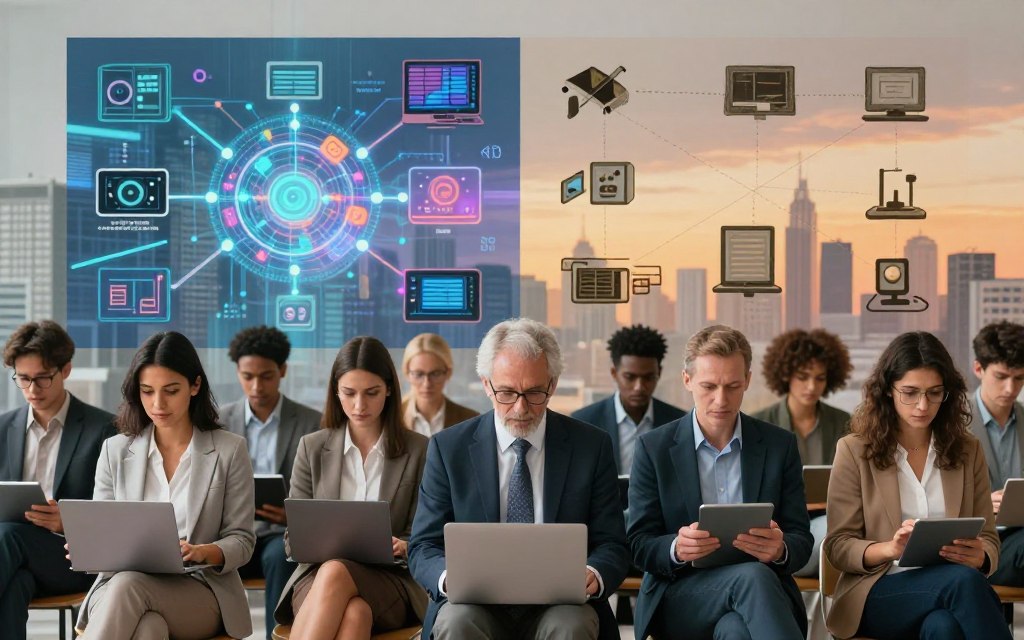
Bridging the global digital literacy gap
In our digital future, we must tackle this gap. We need to make sure everyone can get the digital skills to succeed.
Key Takeaways
- Understanding the digital divide and its implications
- The importance of digital literacy in today's world
- Strategies for bridging the digital literacy gap
- The role of technology in closing the digital divide
- Future prospects for a digitally inclusive society
The State of the Global Digital Divide in 2023
The global digital divide is still a big problem in 2023. It affects millions of people all over the world. Even with new technology, not everyone has equal access to the internet.
Current Statistics and Trends
About 3.8 billion people don't have internet access. Most of them live in countries that are not as developed. Efforts to close this gap are underway, but progress is slow.
Geographic Disparities in Digital Access
Where you live affects your access to the internet. Places far from cities often lack good internet because of infrastructure limitations. This problem is seen in both rich and poor countries.
Socioeconomic Factors Affecting Digital Inclusion
Things like how much money you make, your education, and your age matter for internet access. Programs aimed at digital literacy initiatives try to help. They offer training and ways to get online.
Understanding Digital Literacy: Beyond Basic Access
In today's digital world, knowing about digital literacy is key. It's not just about having digital tools. It's about using them well to join in society fully.
Defining Modern Digital Literacy
Modern digital literacy means having skills to use digital tools. It's about checking online info, keeping your digital identity safe, and using digital tools for growth.
The Spectrum of Digital Skills
Digital literacy covers many skills, from simple to complex. These include:
- Basic skills: using a computer, accessing the internet, and sending emails.
- Intermediate skills: using digital tools for communication, finding info, and online shopping.
- Advanced skills: making digital content, coding, and solving problems with tech.
Digital Literacy as a Human Right
It's vital to improve digital literacy globally. This ensures everyone can join the digital world and economy. Seeing digital literacy as a human right helps bridge the digital gap. It means giving digital literacy resources to those who need them most and supporting digital inclusion.
The Impact of Digital Illiteracy on Communities
In today's world, not knowing how to use digital tools can really hurt communities. It limits chances and makes old problems worse. As everything gets more digital, not being able to keep up has big effects.

digital skills training programs
Economic Consequences
Digital illiteracy hurts the economy a lot. People without the right digital skills can't fully join the modern job market. This means fewer jobs and lower pay for them.
Studies show that those who don't know how to use digital tools well often can't find good jobs. This keeps them in a cycle of poverty.
Also, businesses in areas with lots of digital illiteracy find it hard to use new tech. This makes them less competitive globally. This can cause the economy to slow down and stop growing.
"The digital divide is not just about access to technology, it's about the skills to use it effectively."
Educational Limitations
Digital illiteracy also affects how well people do in school. Today, many learning resources are online. But, those who don't know how to use digital tools can't get to them. This makes old inequalities in education even worse.
Not having programs to learn digital skills in some places makes things even harder. People miss out on chances to get ahead in the digital world.
Social and Civic Participation Barriers
Lastly, digital illiteracy can also stop people from getting involved in their communities. More and more government services and ways to get involved are online. But, those who don't know how to use digital tools can't join in. This makes them feel left out and disconnected.
To fix these problems, we need to support global programs that teach digital skills. This way, everyone can fully take part in today's world.
Key Challenges in Bridging the Global Digital Literacy Gap
The journey to close the digital divide is filled with obstacles. As the world connects more, digital literacy becomes more important. But, the challenges in achieving it worldwide grow too.
Infrastructure Limitations
Infrastructure is a big challenge. Many areas, especially in developing countries, lack the digital tools needed for literacy. They face issues like bad internet, old hardware, and poor network coverage.
Rural and remote areas are hit hard. They often lack reliable internet and modern tech. The International Telecommunication Union (ITU) reports that while 95% of the world has mobile network coverage, internet access gaps between rich and poor countries are huge.
Affordability Issues
Cost is another big hurdle. Digital devices and internet can be too expensive for many, especially in poor communities.
"The high cost of internet access and digital devices is a major obstacle to digital inclusion, perpetuating the digital divide."
It's important to make tech more affordable. Low-cost devices and cheap internet plans can help a lot.
Cultural and Linguistic Barriers
Cultural and language barriers also block digital literacy. Many digital tools and training aren't in local languages. This makes it hard for those who don't speak dominant languages like English.
- Lack of culturally relevant content
- Limited availability of local language support
- Digital literacy programs not tailored to local contexts
Age and Gender Disparities
Age and gender also add to the challenge. Older adults and women face special hurdles in getting digital skills.
Targeted initiatives are needed. Programs for older adults and women should focus on their unique needs.
Global Digital Literacy Initiatives Making an Impact
Efforts to improve digital literacy are growing worldwide. Many initiatives are leading the way. These programs help bridge the digital divide, ensuring everyone can develop the digital skills needed today.

digital literacy initiatives
Public-Private Partnerships
Public-private partnerships are key in digital literacy efforts. They combine resources and expertise from both sectors. This leads to large-scale programs that reach more people.
For example, Google's Grow with Google and Microsoft's Digital Skills Program offer training and resources. They help people gain digital skills.
Non-Profit Organizations Leading Change
Non-profit organizations are crucial in promoting digital literacy. Groups like Code.org and Worldreader work hard to educate underserved communities. They develop curricula, provide hardware, and train educators.
Case Studies of Successful Programs
Many digital literacy programs have seen great success. The Digital Literacy Program in Singapore has boosted digital skills, especially among the elderly. The Africa Code Week has also made a big impact by teaching coding skills across Africa.
These examples show the power of well-designed digital literacy initiatives. By supporting and expanding these programs, we can ensure everyone has the digital skills needed to succeed.
Educational Approaches to Digital Skills Training Programs
Digital literacy is now a must-have skill. Educational methods for teaching digital skills are changing. It's important for schools and groups to update their teaching to keep up with technology.
Formal Education Integration Strategies
Adding digital skills to school curricula is key. It helps students learn early on. Good ways to do this include project-based learning and using tech to improve teaching.
Community-Based Learning Models
Community learning is great for those without access to school. It teams up local groups, libraries, and centers for training. These programs help reach more people and make digital skills available to all.

digital skills training programs
Online Learning Platforms and Resources
Online learning is big for digital skills. It's flexible and easy to get to. MOOCs and digital literacy programs are popular choices. They help many people learn and keep learning.
Using these methods can really boost digital literacy worldwide. A mix of school, community, and online learning is the best way to teach digital skills.
Policy Frameworks for Advancing Digital Literacy Worldwide
To improve digital literacy globally, we need a solid plan. This plan should include effective policy frameworks. These are key to creating a space where everyone can access and use technology.
National Digital Inclusion Policies
National policies are crucial for boosting digital literacy. Countries like South Korea and Singapore have set up detailed plans. These plans cover building infrastructure, training people in digital skills, and making technology accessible to all.
Successful policies have clear goals, enough funding, and teamwork among government and other groups.
International Cooperation Initiatives
Working together globally is vital to bridge the digital gap. The United Nations' Sustainable Development Goals (SDGs) and the World Summit on the Information Society (WSIS) help with this. They share knowledge, technology, and ways to solve problems together.
Measuring Progress and Accountability
It's important to track how well digital literacy efforts are doing. We need to set clear goals, check progress often, and make changes when needed. Being open and using data to make decisions is essential for success.
With these policies in place, countries can make big steps forward in digital literacy. This will help create a more inclusive digital world for everyone.
Technology Solutions for Closing the Digital Divide
The global digital divide can be tackled with smart technology solutions. Many efforts are underway to make digital tech available to everyone. This includes those in different places and with varying economic backgrounds.
Low-Cost Device Initiatives
One big hurdle to digital inclusion is the cost of devices. Low-cost device initiatives are making tech more affordable. Companies are creating budget-friendly smartphones, tablets, and laptops for those with less money.
These devices are not just cheaper. They're also made for areas with slow internet. This makes them perfect for places with limited online access.
Offline Solutions for Limited Connectivity
In places with no or bad internet, offline digital solutions are very helpful. New tech lets people access important info offline. This includes educational content and health info.
Some platforms let users download content online. Then, they can use it offline. This way, people always have access to important info.
Emerging Technologies Expanding Access
Emerging technologies like satellite internet and 5G are bringing digital access to more areas. Satellite internet can connect even the most remote places.
5G technology offers faster speeds and lower delays. It opens up new digital services and apps for communities everywhere.
Conclusion: The Path Forward for Digital Inclusion
To bridge the global digital literacy gap, we need a team effort. Governments, organizations, and individuals must work together. This way, we can promote digital literacy everywhere.
Digital literacy programs have shown they can make a difference. They use partnerships, non-profits, and new tech to help more people. This helps expand digital access and improve training.
The journey to digital inclusion is ongoing. We must tackle issues like infrastructure, cost, and cultural barriers. We also need good policies that support digital literacy and track progress.
Together, we can make the digital world more inclusive and fair. This will benefit everyone, from individuals to communities and societies around the globe.
FAQ
What is the global digital divide, and how does it affect communities?
What are the key challenges in bridging the global digital literacy gap?
How can digital literacy initiatives be effective in promoting digital inclusion?
What role do public-private partnerships play in promoting digital literacy?
How can technology solutions help to close the digital divide?
What is the importance of measuring progress and accountability in digital literacy initiatives?
How can global technology education support the development of digital literacy?
What are some examples of successful digital literacy programs?
.png)
The ultimate guide to travel and tourism around the world
The Ultimate Guide to Travel and Tourism Around the World is a comprehensive blog designed for travelers of all kinds—from curious first-timers to seasoned explorers. It offers in-depth insights into global destinations, cultures, and experiences, helping readers plan meaningful and unforgettable journeys. The blog covers everything from iconic landmarks and hidden gems to travel tips, cultural etiquette, budgeting advice, and sustainable tourism practices. Readers can explore detailed destina


