
Discover the Fully Autonomous Smart Homes of Tomorrow
Imagine waking up in a home that knows exactly what you need. It adjusts the temperature, lighting, and entertainment just for you. And it does it all without you even asking.
Welcome to the world of autonomous home technology. It's changing how we live. With smart home technology, your home becomes a personalized haven.

Fully autonomous smart homes of the future
This isn't just a dream; it's becoming a reality thanks to technology. In this article, we'll look at what's possible and what the future holds for homeowners.
Key Takeaways
- Autonomous homes adjust to your preferences automatically.
- Smart home technology enhances your living experience.
- The future of homes is about personalized automation.
- Technology is making autonomous living a reality.
- Homeowners can expect a more convenient lifestyle.
The Evolution of Smart Home Technology
Smart home technology has changed a lot since it started. It has moved from simple automation to complex systems that work on their own. This change came from new tech like AI, IoT, and sensors.
From Basic Automation to Full Autonomy
The path to fully smart homes began with simple systems. These let users control lights and temperature from afar. Home automation systems have grown, adding AI in home automation to understand and adjust to what users like.
Key Milestones in Smart Home Development
Smart home tech has seen many important moments.
- Early adoption of home automation systems
- Integration of IoT devices
- Advancements in AI and machine learning
Early Smart Home Systems
Early systems focused on basic control, letting users manage devices from anywhere. These systems are the base of today's connected home devices.
The IoT Revolution
The IoT changed smart homes a lot. It made devices talk to each other, creating a more connected and automated home.
This change led to more advanced and self-running systems. It's preparing us for the fully smart homes of tomorrow.
What Makes a Home "Fully Autonomous"?
Imagine a home that manages itself, adjusting to your needs without needing you to do anything. This is what a fully autonomous home is all about. It combines automated household solutions and next-gen smart home technology for a smooth living experience.
Defining Characteristics of Autonomous Systems
Autonomous homes can make their own decisions and learn from their owners' habits. They use smart algorithms and data to understand what you like and change things accordingly.
The Difference Between "Smart" and "Autonomous"
Smart homes can be controlled from afar and automate some tasks. But, autonomous homes go further by letting the home decide for itself. This is done through:
Decision-Making Capabilities
Autonomous homes can change things like lighting, temperature, and security based on your daily routines. They make decisions for you.
Learning and Adaptation
These homes learn from your habits and adjust to your changing needs. They keep your home comfortable and efficient.
With futuristic smart home features, you can live in a truly autonomous home. Your home becomes a self-sustaining space. It not only follows your commands but also knows what you need before you ask.
Fully Autonomous Smart Homes of the Future: Core Technologies
The future of homes is here, with fully autonomous smart homes leading the way. These homes manage themselves, making life easier and more efficient for everyone. They are the result of cutting-edge technologies.
These advanced homes rely on key technologies that work together seamlessly. You'll enjoy a system that learns and adapts to your preferences over time.
Artificial Intelligence and Machine Learning
AI and machine learning algorithms are at the heart of these homes. They let your home learn from you and adjust accordingly. Your home can predict your needs, automate tasks, and even make decisions for you.
Advanced Sensors and IoT Infrastructure
Advanced sensors and IoT infrastructure
are vital for collecting data for AI systems. They monitor various aspects like temperature, lighting, and energy usage. This gives a detailed view of your home's status at any time.
Edge Computing and Cloud Integration
Edge computing and cloud services ensure data processing is efficient and secure. Edge computing handles data locally, while cloud services provide scalability for storage and complex tasks.
Processing Power Requirements
As more homes become autonomous, the need for processing power grows. You'll need strong processing to handle the data from your home's systems.
Data Management Systems
Effective data management systems are key for organizing and analyzing data. They keep your data safe and provide insights into your habits.
With these core technologies, fully autonomous smart homes will change how we live. They will make your home more comfortable, efficient, and enjoyable. Enjoy the convenience and automation brought by ai-powered home appliances and advanced smart home systems.
The Central Nervous System: Home Operating Platforms
Your home's operating platform is key to a truly autonomous living experience. It uses advanced smart home technology. This system connects different parts to offer a smooth and easy user experience.
Next-Generation Control Hubs
Next-generation control hubs change how we interact with our homes. They give a single place to manage all your home's systems.
- Intuitive interfaces for easy control
- Seamless integration with various smart devices
- Advanced automation capabilities
Voice and Gesture Recognition Systems
Voice and gesture recognition systems are getting smarter. They let you control your home with voice commands or gestures.
Predictive Analytics and Behavioral Learning
Predictive analytics and behavioral learning are vital for your home. They help your home learn your preferences and adjust to your needs. This makes your living experience better.

smart home operating platform
Autonomous Energy Management Systems
Autonomous energy management systems lead the way in making smart homes fully autonomous. They optimize energy use and cut down on waste. These systems use AI in home automation to make homes more efficient and green.
Self-Optimizing Solar and Battery Systems
These systems are key in autonomous energy management. They include self-optimizing solar and battery systems. These systems use smart algorithms to get the most out of energy production and storage. This ensures your home is powered up efficiently.
Smart Grid Integration and Energy Trading
Autonomous energy management also supports smart grid integration and energy trading. This lets homeowners sell extra energy to the grid. It lowers their energy bills and helps make the energy network greener.
- Optimized energy consumption through AI-driven analysis
- Integration with connected home devices for seamless control
- Potential for energy trading and reduced energy costs
Zero-Waste Energy Consumption Models
The aim of these systems is to reach zero-waste energy models. They optimize energy production, storage, and use. This reduces energy waste and supports a greener future.
Intelligent Security and Access Control
The future of home security is all about smart systems that learn and adapt. As we move towards fully autonomous smart homes, advanced security features become key. They are a big part of our daily lives.
Biometric Authentication Systems
Biometric authentication is changing home security. It uses unique traits like fingerprints, facial recognition, or voice patterns to unlock doors. It's more secure and easier than old-fashioned keys.
AI-Powered Surveillance and Threat Detection
AI surveillance systems can spot threats in real-time. They cut down on false alarms and boost your home's safety. They can tell the difference between family, friends, and strangers.
Autonomous Emergency Response Protocols
In emergencies, autonomous systems act fast and right. This includes:
Intruder Detection and Response
Smart algorithms can spot odd behavior and alert authorities or sound alarms.
Natural Disaster Preparedness
Autonomous systems can also get your home ready for disasters. They lock doors, manage power, and send out important alerts.
With these smart security features, your smart home is safer and more secure. You get peace of mind and protection from many dangers.
Self-Maintaining Living Environments
The dream of a self-maintaining home is now a reality, thanks to next-gen smart home technology. These homes have systems that work together. They keep your living space clean, safe, and healthy.
Automated Cleaning and Maintenance Systems
Robots and smart vacuum cleaners make your home spotless. They move around your home, avoiding obstacles and cleaning hard spots. Maintenance systems also find and fix problems early, keeping your home in great shape.
Self-Diagnosing and Self-Repairing Infrastructure
Smart homes can spot issues like leaks or electrical faults. Once found, self-repairing systems can fix problems on their own or tell you what to do. This stops small problems from turning into big repairs.
Indoor Air Quality and Environmental Control
Good indoor air quality is key for health and comfort. Smart homes use advanced systems to keep the air clean and fresh. They also control temperature and humidity, making your home comfortable.
These advanced systems make self-maintaining homes convenient and improve your life. As technology gets better, these homes will become even more efficient and cozy.
The Kitchen of Tomorrow: Autonomous Food Preparation
Autonomous food preparation is changing the kitchen, making cooking simpler and faster. In smart homes, the kitchen is becoming a high-tech center. Here, technology and cooking art mix perfectly.
Smart Appliances That Communicate and Collaborate
Picture a kitchen where your smart appliances work together to cook a meal. Your fridge can talk to your oven, suggesting recipes with the ingredients you have. This teamwork is thanks to advanced smart home systems that let devices talk to each other.
Inventory Management and Automated Grocery Ordering
Smart home tech lets you track your kitchen's inventory and order groceries automatically when needed. This saves time and cuts down on food waste.
Personalized Nutrition and Meal Planning
Autonomous kitchens also offer personalized nutrition and meal planning tailored to your needs. This means you cook efficiently and eat healthily.
Health and Wellness Integration in Autonomous Homes
Autonomous homes are more than just convenient. They aim to make your living space healthier for you and your family. These homes come with advanced health and wellness features.
Ambient Health Monitoring Systems
Ambient health monitoring systems track your health without being too much. They watch your vital signs, detect falls, and check if you're taking your meds. This way, you get the care you need right at home.
Sleep Optimization Technology
Sleep optimization technology is key in these homes. It keeps an eye on your sleep patterns. It also adjusts things like lighting, temperature, and noise to help you sleep better.
Aging-in-Place Support Features
Features for aging in place help seniors live on their own longer. They include:
- Fall detection and emergency response systems
- Medication management systems
Fall Detection and Emergency Response
Fall detection systems use AI to spot falls and alert help or family.
Medication Management Systems
Medication management systems make sure you take the right meds at the right time. This cuts down on mistakes with medication.
With these health and wellness features, autonomous homes improve your life a lot. They offer a safer, healthier, and more supportive place to live.
Real-World Examples and Pioneering Projects
Exploring the future of smart homes is exciting. We see real-world examples and pioneering projects already underway. These innovations show the power of connected home devices and how futuristic smart home features can improve our lives.
Showcasing Autonomous Homes Around the World
Many countries are leading in adopting autonomous home technology. In Japan, Toshiba is working on homes with AI systems. These systems manage energy, security, and health monitoring.
In the United States, Amazon and Google are making homes smarter. They're integrating their devices into homes, making them more convenient.
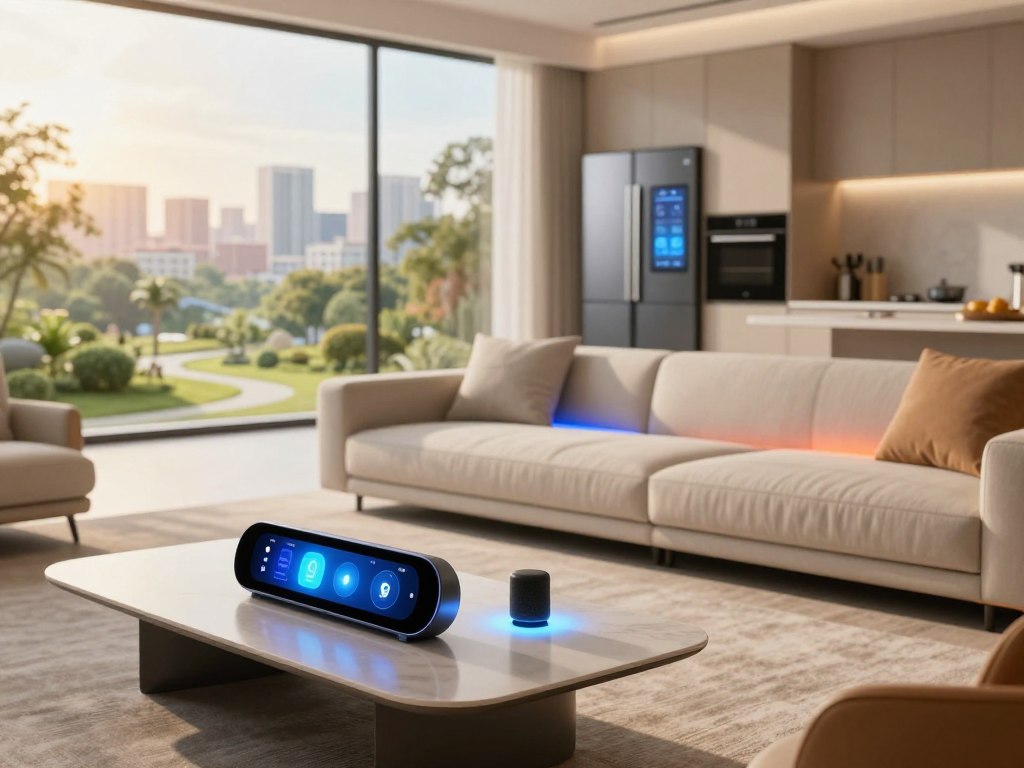
autonomous smart home features
Tech Companies Leading the Autonomous Home Revolution
Big tech names like Microsoft, Apple, and Samsung are key players. They're investing in research and development. This is making smart homes more affordable and accessible.
Research Institutions and Their Contributions
Universities and research centers are also making big contributions. They study how smart homes affect energy use, health, and quality of life. Their findings are guiding the industry forward.
These examples and projects are shaping a future where smart homes are common. They promise to make our lives better with their advanced features.
Privacy, Security, and Ethical Considerations
As we move towards fully autonomous smart homes, we must think about privacy, security, and ethics. The more we use automated solutions and next-gen tech, the more we wonder about our data.
Data Protection in the Autonomous Home
Data protection is key in autonomous homes. Keeping your personal info safe means using strong security steps.
Balancing Convenience with Privacy
Enjoying the perks of autonomous homes and keeping your privacy is a fine line. You should know what data is gathered and how it's used.
Ethical AI Implementation
It's important to use AI ethically. This includes transparency in data collection and user control and override options.
Transparency in Data Collection
Being open about data collection and use is crucial for trust.
User Control and Override Options
Having control over your data and the power to override decisions keeps you in charge of your smart home.
Conclusion: Embracing the Autonomous Home Revolution
Looking ahead, fully autonomous smart homes are set to change how we live. They will use ai-powered appliances to handle daily tasks and save energy. This will improve our lives in many ways.
You're on the edge of a new era in home tech. Your home will be smart, intuitive, and meet your needs. The future of fully autonomous smart homes is promising, making life easier and more fun.
As tech keeps getting better, the possibilities are endless. You can use autonomous home tech to make a better future for yourself and your family.
FAQ
What is a fully autonomous smart home?
How do fully autonomous smart homes learn and adapt to my habits?
What are the benefits of having an autonomous energy management system in my smart home?
How do fully autonomous smart homes enhance security and access control?
Can fully autonomous smart homes support health and wellness?
What are the concerns around data protection and privacy in fully autonomous smart homes?
Are there any real-world examples of fully autonomous smart homes?
How do home operating platforms integrate various technologies in a fully autonomous smart home?
.png)
The ultimate guide to travel and tourism around the world
The Ultimate Guide to Travel and Tourism Around the World is a comprehensive blog designed for travelers of all kinds—from curious first-timers to seasoned explorers. It offers in-depth insights into global destinations, cultures, and experiences, helping readers plan meaningful and unforgettable journeys. The blog covers everything from iconic landmarks and hidden gems to travel tips, cultural etiquette, budgeting advice, and sustainable tourism practices. Readers can explore detailed destina


