
Hyperloop and Next-Gen Transportation Systems Explored
What if we could travel over 700 miles per hour? This could change how we see the world.
The idea of high-speed travel is now a reality. The Hyperloop is leading the way. It's fast, clean, and efficient.

Hyperloop and next-generation transportation systems
I'll look into how these new technologies will change our lives. We'll talk about the good and the bad of these changes.
Key Takeaways
- Understanding the concept of Hyperloop and its potential to revolutionize travel.
- Exploring the benefits of next-generation transportation systems.
- Discussing the challenges associated with implementing innovative transportation systems.
- Analyzing the impact of high-speed travel on our daily lives.
- Examining the future prospects of futuristic transit solutions.
The Evolution of Transportation: From Steam Engines to Hyperloop
The journey from steam engines to the Hyperloop is a story of great progress. Looking back, we see how transportation has changed a lot. This change came from new ideas and the need for better ways to move.
Historical Milestones in Transportation Technology
The history of transport has many important moments. The start of the 19th century brought steam engines to land travel. Then, internal combustion engines came next, speeding things up even more.
The 20th century brought air travel and fast rail networks. These steps have made our transport system what it is today.
The move towards faster and greener transport is key. With growing worries about the planet, we're looking at ways to travel that are better for the environment.
The Need for Revolutionary Transportation Solutions
Today's transport systems have big problems like traffic jams, pollution, and waste. That's why cutting-edge transportation technology like the Hyperloop is so exciting. It promises to make travel faster, cleaner, and more efficient.
Building advanced transportation infrastructure is essential for new transport systems. We need to invest in new tech and roads to change how we travel.
Understanding Hyperloop and Next-Generation Transportation Systems
The Hyperloop is a big step towards faster, more efficient travel. It's not just a small upgrade but a major change. This technology is leading the way in next-generation transportation.
What Is Hyperloop Technology?
Hyperloop technology moves people in vacuum-sealed tubes at up to 700 mph. This cuts travel times between cities a lot. It uses magnetic levitation and propulsion to move smoothly and quietly.
The main parts of Hyperloop technology are:
- Vacuum-sealed tubes: They cut down air resistance for high speeds.
- Magnetic levitation: It makes travel almost friction-free, for smooth rides.
- Propulsion systems: Electric motors push the vehicles to fast speeds.

Hyperloop Technology
Core Principles Behind Next-Gen Transportation
Next-generation systems like the Hyperloop focus on sustainability, efficiency, and innovation. They aim to lessen travel's environmental impact. They also want to make travel faster and more convenient.
The main ideas are:
- Sustainability: They use green energy and cut down carbon emissions.
- Efficiency: They aim to save time and energy in travel.
- Innovation: They use the latest tech to create new ways to travel.
Understanding these ideas helps us see how next-generation systems can change travel for the better.
How Hyperloop Technology Works
Hyperloop technology is set to change how we travel fast. It combines advanced tech like low-pressure tubes, magnetic levitation, and propulsion systems. This mix makes it a game-changer for quick travel.
The Physics of Low-Pressure Tube Travel
The Hyperloop moves people in vacuum-sealed tubes. This cuts down air resistance, making it fast. The system uses vacuum tech to keep the pressure low, saving energy and speeding up travel.
Magnetic Levitation and Propulsion Systems
Magnetic levitation keeps the Hyperloop pod floating, removing friction. This lets it travel smoothly at high speeds. The electric motors and magnets push the pod forward, making it fast and steady.
Pod Design and Passenger Experience
The Hyperloop pod's design focuses on comfort and safety. It has seats for passengers and safety features. The inside is made to feel smooth, even when speeding up or slowing down.
Safety Features and Emergency Protocols
The Hyperloop has many safety features. It has advanced navigation and emergency brakes. If something goes wrong, it's ready to act fast, keeping everyone safe.
Passenger Comfort Innovations
The Hyperloop also focuses on making travel comfy. The pods have climate control and noise reduction. These features aim to make the Hyperloop ride as pleasant as possible.
Major Hyperloop Projects Around the World
The future of travel is changing with Hyperloop projects worldwide. Countries and companies are investing in this new tech. This is a big shift in how we travel.
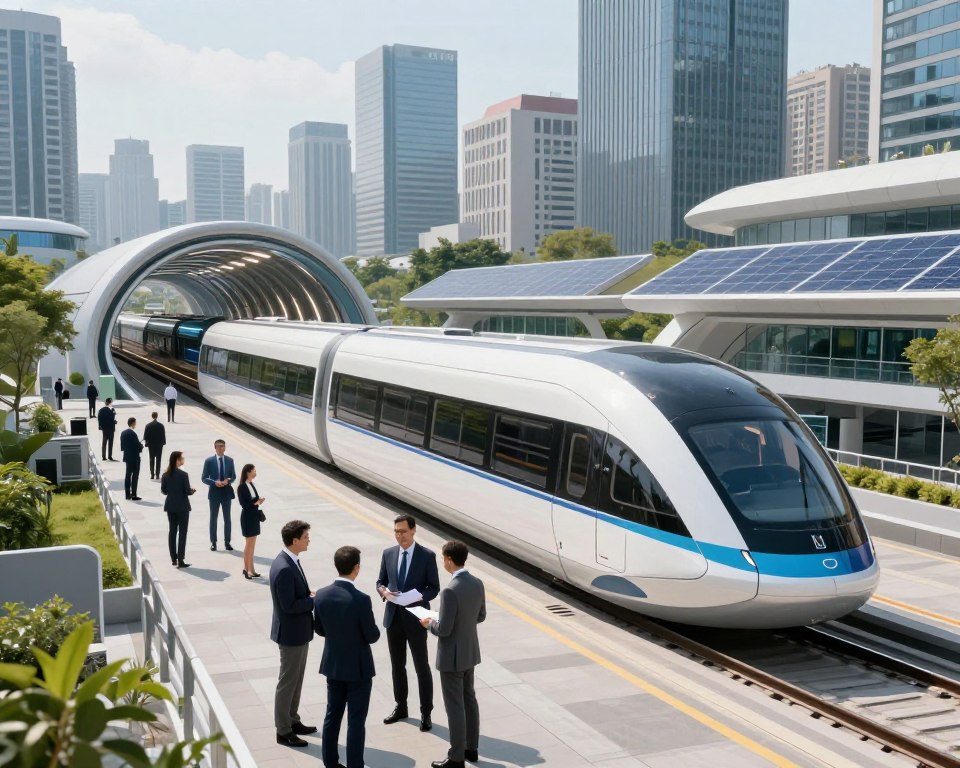
Hyperloop Projects
Virgin Hyperloop and Its Milestones
Virgin Hyperloop is a key player in Hyperloop tech. They've done full-scale tests of their system. This shows Hyperloop is possible.
They're working with governments to make Hyperloop real. A big step was finishing a test track in Las Vegas.
Hyperloop Transportation Technologies (HTT) Developments
Hyperloop Transportation Technologies (HTT) is also leading the way. They've got hundreds of experts working together. This has led to a test facility.
HTT focuses on safety, sustainability, and making travel better. They plan to use Hyperloop all over the world.
SpaceX Hyperloop Pod Competition Impact
The SpaceX Hyperloop Pod Competition started in 2015. It has pushed Hyperloop tech forward. It brought together top talent from everywhere.
"The competition has been instrumental in pushing the boundaries of what's possible with Hyperloop technology."
International Hyperloop Initiatives
Hyperloop projects are happening all over the world. Countries are looking into Hyperloop to change their transport systems.
European Corridor Projects
In Europe, there are plans for Hyperloop corridors. They aim to link cities and cut travel times. This could boost the economy and cut carbon emissions.
Asian and Middle Eastern Developments
Asia and the Middle East are also getting into Hyperloop. India, China, and the UAE are investing in Hyperloop. They see its potential to change their transport systems.
- India is planning several Hyperloop corridors to connect major cities.
- China is exploring Hyperloop technology to enhance its already extensive transportation network.
- The UAE is considering Hyperloop projects to further diversify its transportation options.
Beyond Hyperloop: Other Revolutionary Transportation Concepts
There's more to transportation innovation than just Hyperloop. We're seeing a variety of new technologies that could change how we travel. These ideas focus on making travel faster, more efficient, and better for the planet.
Maglev Trains and Their Evolution
Maglev trains have been around for years, using magnets to move at high speeds. They've gotten faster and more efficient over time. For example, Japan's L0 Series Maglev hit over 603 km/h (375 mph).
Maglev technology is improving in many ways. It's now using less energy and making travel more comfortable. This makes Maglev trains a promising option for the future.
Autonomous Aerial Vehicles and Flying Cars
Autonomous aerial vehicles (AAVs) and flying cars are changing personal travel. They could make getting around cities faster and more direct.
Uber and Lilium are leading the way in AAVs. They're focusing on electric vertical takeoff and landing (eVTOL) technology. While there are still challenges, AAVs could greatly improve city travel.
Underground Transportation Networks
Underground travel is also getting a boost from new ideas. Moving travel underground can cut down on traffic and improve air quality.
The Boring Company's Tunnel Systems
The Boring Company, started by Elon Musk, is working on tunnel systems. They aim to make travel faster and easier by going underground.
Urban Transit Innovations
Urban areas are looking for better public transport. They're trying out new subway systems and bus rapid transit (BRT) networks.
These underground and under-surface projects are key for city travel. They could make getting around faster and cleaner.
Environmental and Economic Impacts of Next-Gen Transportation
Looking into the future of travel, we see big changes coming. Next-gen systems like Hyperloop could change how we move around. They might also help the planet by using less energy.
Carbon Footprint Comparison with Traditional Transport
Next-gen transport systems cut down on carbon emissions a lot. Hyperloop, for example, runs on electricity. This could make it much cleaner than old ways of traveling.
Here are some numbers to show the difference:
- Hyperloop: could have almost no emissions, depending on power source
- Air travel: big emissions, with one flight making over 200 kg of CO2 per person
- Rail travel: can be very low, like 0.03 kg CO2 per passenger km for electric trains
Energy Efficiency and Sustainability Factors
Being energy-efficient is key for next-gen transport. Hyperloop uses special tech to use less energy. This makes it better for the planet.
What makes it sustainable includes:
- Using green energy to power it
- Traveling in tubes that save energy
- Needing less land than old ways of moving
Economic Benefits and Job Creation Potential
Next-gen transport systems bring big economic wins. They could create lots of jobs and boost local economies.
Infrastructure Investment Returns
Investing in new transport systems can pay off big time. It can lead to more jobs and economic growth. For example, Hyperloop could start new industries and jobs in making, fixing, and running the system.
New Industry Growth Opportunities
As these new transport systems grow, so will new industries. We'll see advances in materials, tech, and services for these new ways of moving.
The main economic pluses are:
- More jobs in new industries
- More economic activity from better connections
- Lower travel costs over time
Challenges and Obstacles Facing Hyperloop Development
Building Hyperloop systems comes with many challenges. These include technical, regulatory, and financial hurdles. It's important to know these challenges to understand how complex it is to make Hyperloop technology work.
Technical Engineering Hurdles
One big challenge is the technical engineering side. We need to create a vacuum-sealed tube system that stays low pressure over long distances. We also have to make pods that can go fast while keeping passengers safe. And we must figure out how to handle the heat from friction.
Some key technical challenges are:
- Maintaining vacuum conditions over long distances
- Achieving high speeds while using less energy
- Creating advanced materials for the tube and pod
Regulatory and Safety Concerns
Regulatory and safety issues are also big hurdles. We must ensure passenger safety and follow transportation laws. This means setting safety standards, planning for emergencies, and getting approval from regulators.
Important regulatory and safety concerns are:
- Creating safety plans for emergencies
- Following current transportation laws
- Creating industry standards for Hyperloop
Funding and Investment Challenges
Finding enough money is a big challenge. Building the infrastructure, like the tubes and pods, costs a lot. We need to find new ways to fund these projects.
Public-Private Partnership Models
One way to solve this is through public-private partnerships. These partnerships can use both public and private money and skills. This can help share the financial risks and attract more investors.
Cost-Benefit Analysis for Communities
Doing cost-benefit analyses is key. We need to show how Hyperloop projects benefit communities. This means looking at the economic gains, like more jobs and faster travel, against the costs of setting it up.
By tackling these challenges and finding solutions, we can make Hyperloop technology a reality. Overcoming these obstacles is essential to achieve the goal of fast travel through Hyperloop systems.
The Future Landscape of Transportation: Predictions and Possibilities
The future of transportation is set to change a lot with Hyperloop and other new systems. These innovative transportation systems will make travel faster, more efficient, and maybe greener.
Integration with Existing Transportation Networks
Hyperloop and other new systems need to work well with what we already have. This means connecting new infrastructure to our current rail, road, and air systems. It also means making sure tickets, schedules, and logistics work together smoothly.
- Seamless transfers between different modes of transport
- Integrated scheduling to minimize wait times
- Unified payment systems for convenience
By doing this, we can make travel easier and more efficient. We'll use the best of old and new technologies together.
Timeline for Widespread Implementation
It's hard to say exactly when Hyperloop and similar tech will be everywhere. But, we're already seeing progress. Pilot projects are starting, and plans for first routes are being made.
- Short-term: Completion of pilot projects and initial commercial routes
- Mid-term: Expansion of Hyperloop networks to major cities
- Long-term: Global connectivity through Hyperloop and other advanced transportation infrastructure
Getting to where we can use these futuristic transit solutions fully will take time. It will need tech progress, laws to change, and people to accept it.
Conclusion: Transforming How We Move Through Space and Time
The Hyperloop and next-generation transportation systems are big steps forward. They use magnetic levitation and low-pressure tubes. This could change how we travel through space and time.
Hyperloop tech is more than a new way to travel. It aims to make our world more sustainable and connected. It could also cut down on carbon emissions and energy use.
Looking ahead, next-generation transport will shape our future. By investing in new tech, we can make travel more efficient and green. This will help us build a better, more connected world.
There will be challenges on the way to making Hyperloop tech common. But the benefits are worth it. As we explore new possibilities, we can make travel better for everyone.
FAQ
What is Hyperloop technology?
How does Hyperloop technology work?
What are the benefits of Hyperloop technology?
What are the challenges facing Hyperloop development?
When can we expect to see widespread implementation of Hyperloop technology?
How will Hyperloop technology integrate with existing transportation networks?
What is the potential impact of Hyperloop technology on the environment?
How will Hyperloop technology affect the economy and job market?
.png)
The ultimate guide to travel and tourism around the world
The Ultimate Guide to Travel and Tourism Around the World is a comprehensive blog designed for travelers of all kinds—from curious first-timers to seasoned explorers. It offers in-depth insights into global destinations, cultures, and experiences, helping readers plan meaningful and unforgettable journeys. The blog covers everything from iconic landmarks and hidden gems to travel tips, cultural etiquette, budgeting advice, and sustainable tourism practices. Readers can explore detailed destina


